Intraoral scanner
A wand the size of a toothbrush records your teeth in 3D in about two minutes. No trays of impression paste, no gagging. Used for aligners, crowns and night guards.
The studio
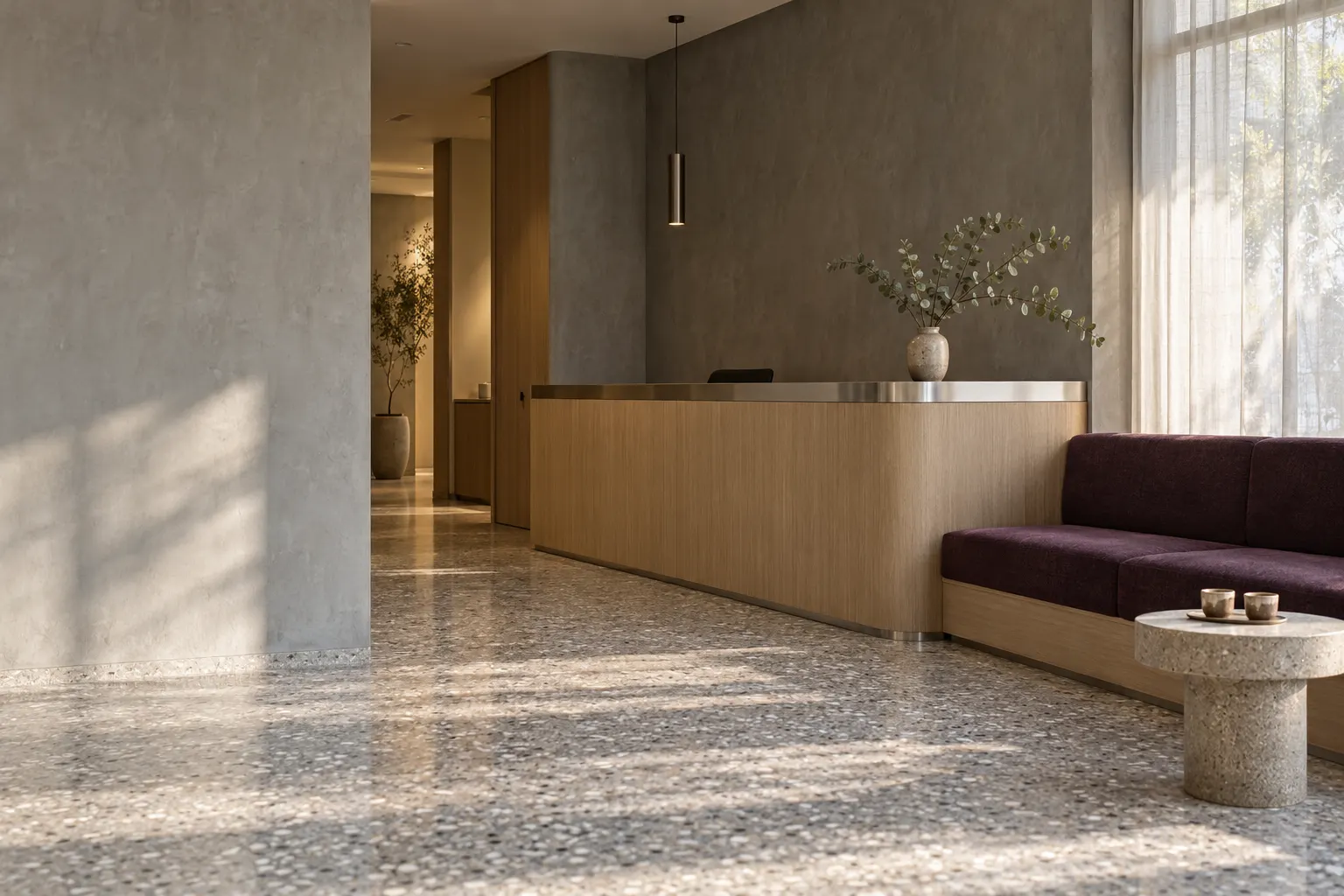
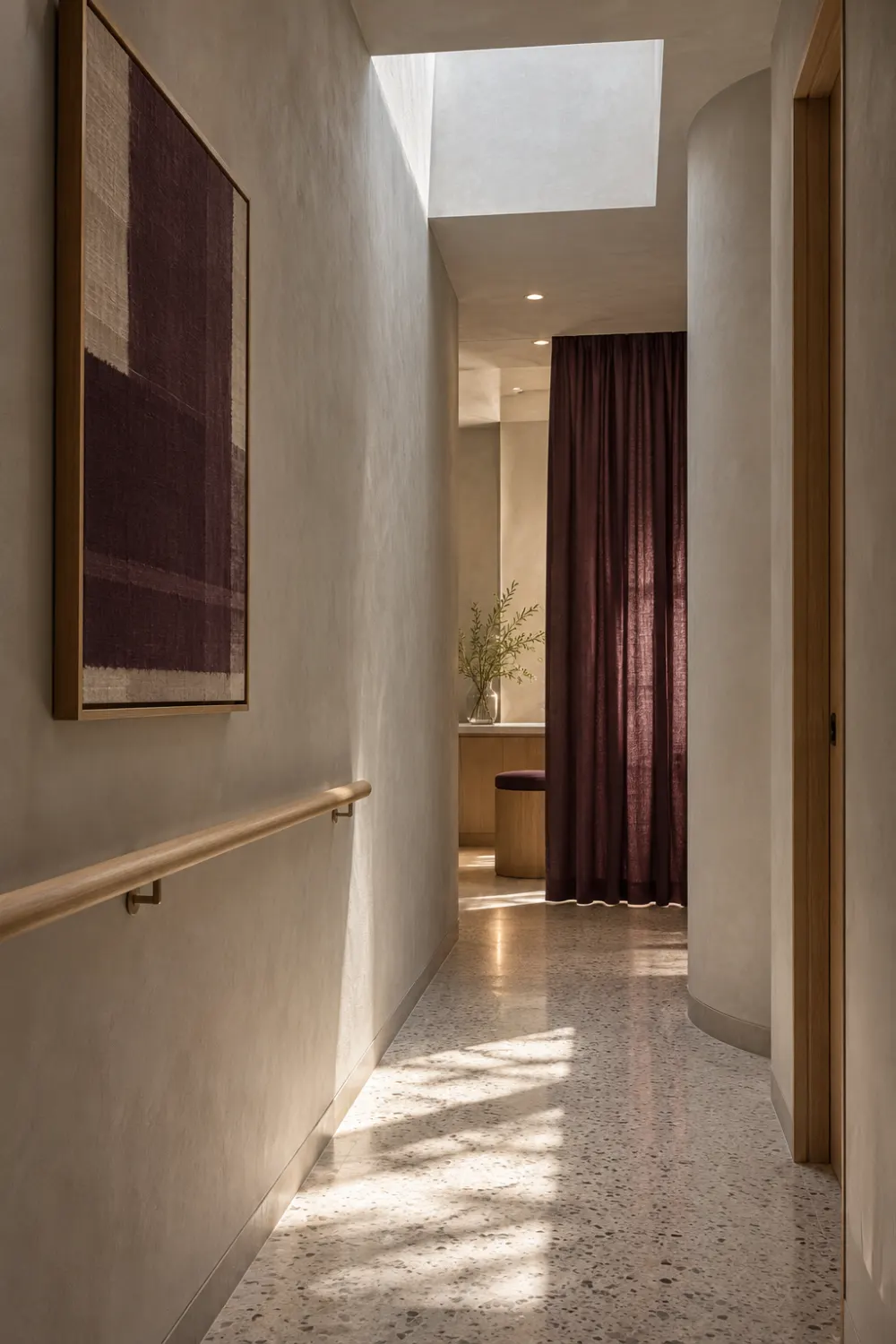
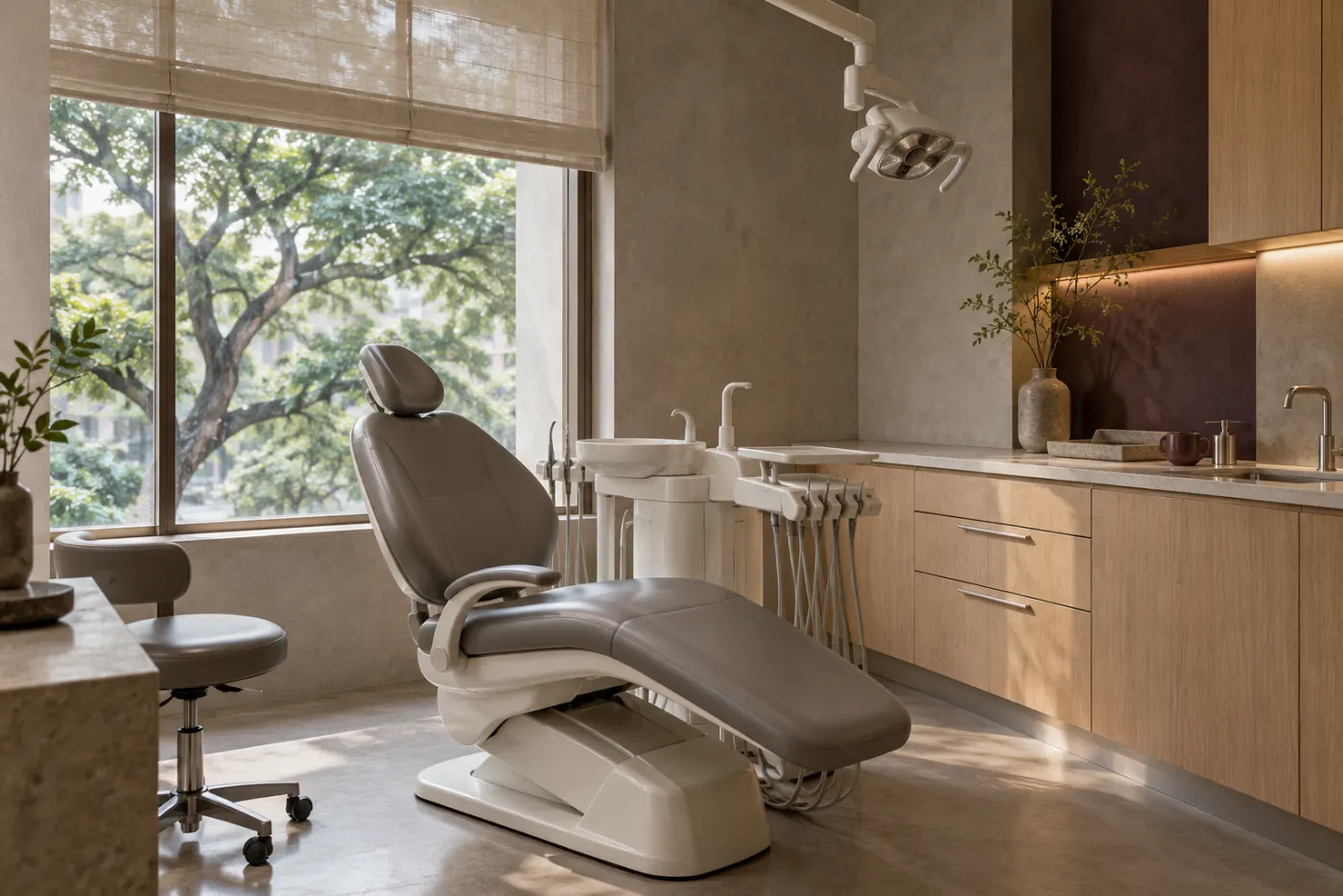
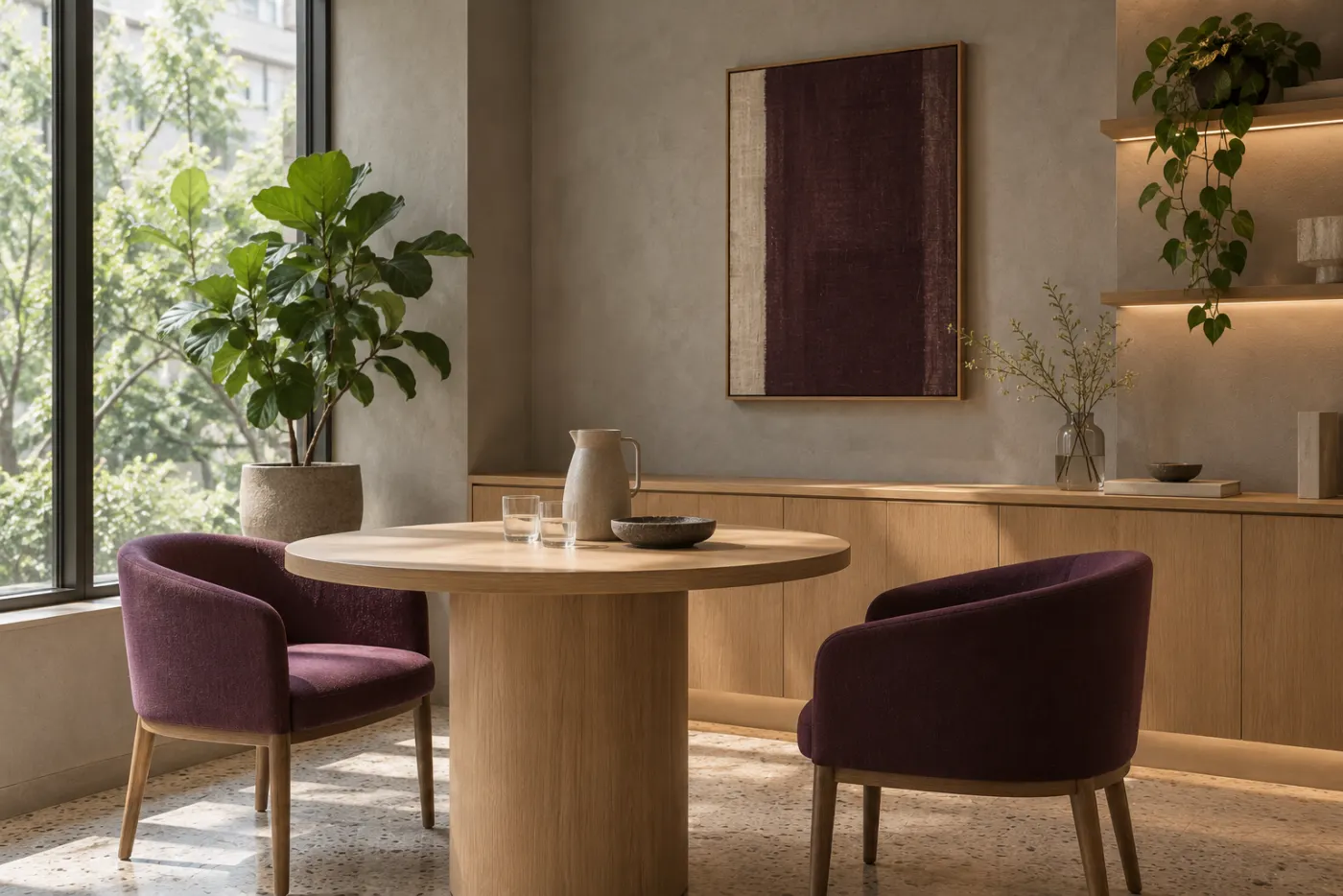
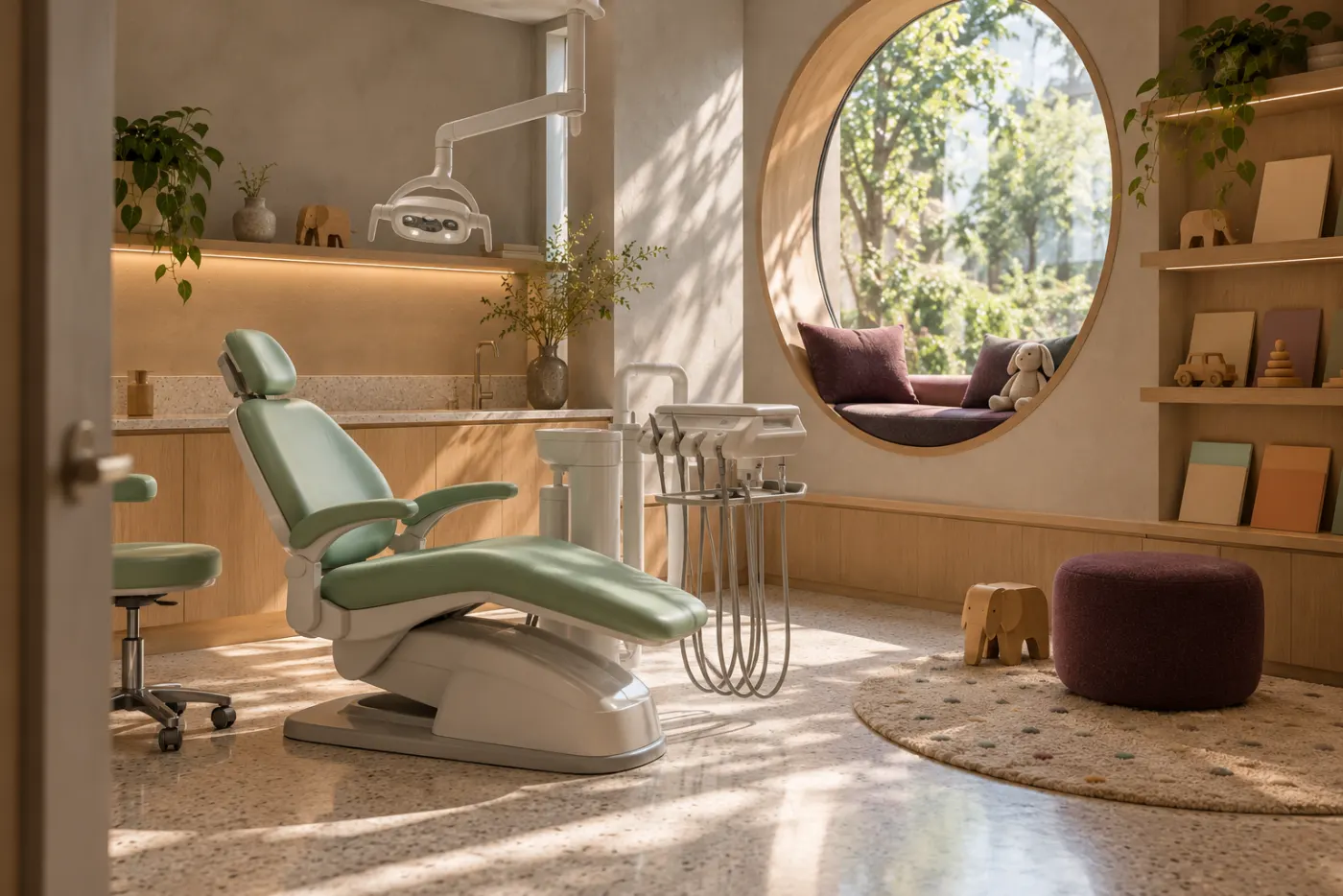
A 2,400 sq ft ground floor on 100 Feet Road, redone in lime plaster, oak and terrazzo by a studio in Shanthinagar. Three treatment rooms, each with a window, and one room for kids.
Sterilisation
The sterilisation room has a glass wall onto the corridor. Ask, and we’ll walk you through it. This is what happens to an instrument between your visit and the next person’s.
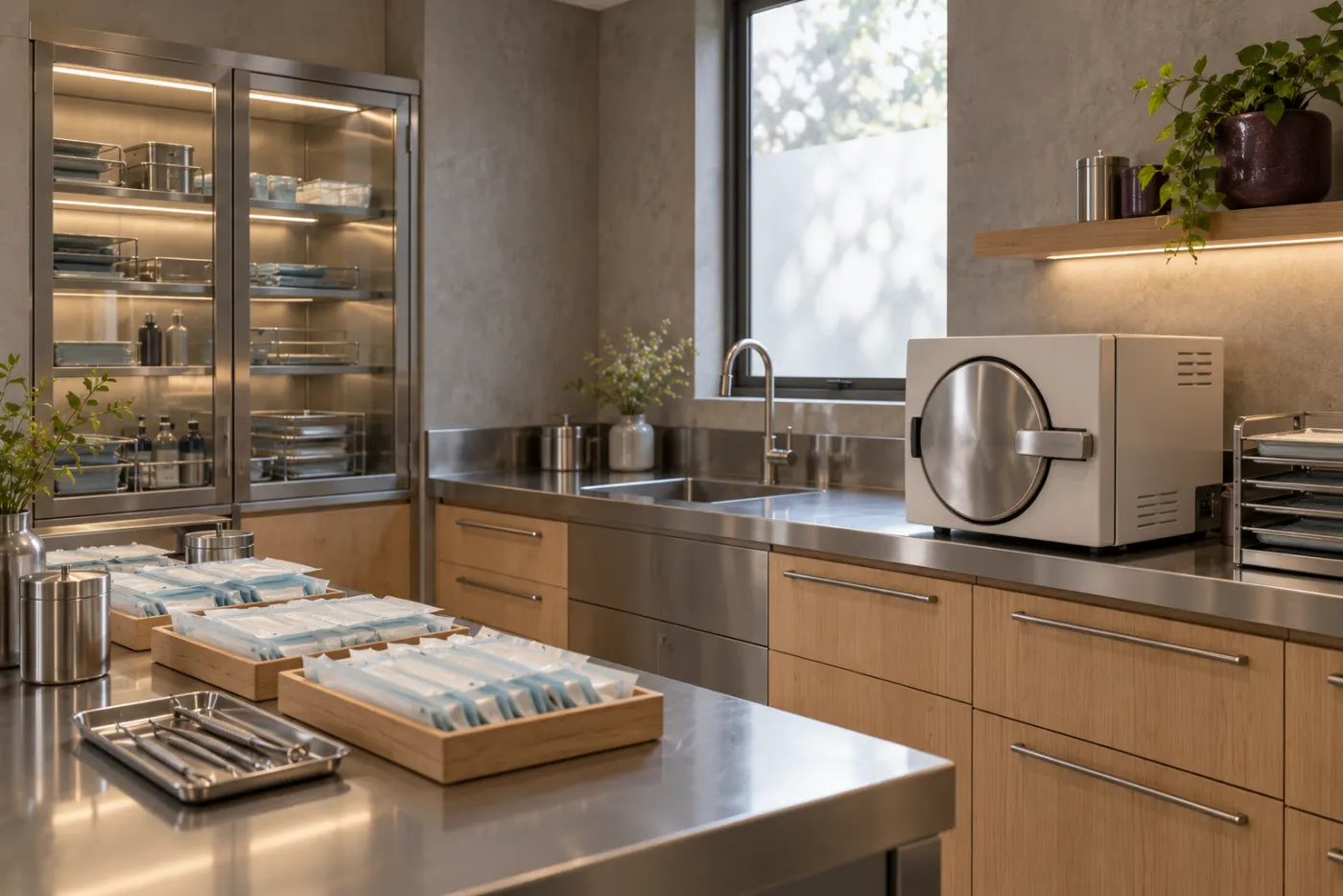
Into an enzymatic soak at the chair, then an ultrasonic bath for 10 minutes. No hand scrubbing of sharp instruments.
Checked under a magnifier, sealed in a pouch with a colour-change strip and stamped with the date, cycle number and chair.
Three vacuum pulses pull air out of hollow instruments, then a four-minute hold at 134 °C and drying under vacuum.
A Bowie-Dick test every morning and a biological spore test every week, sent to an outside lab. A failed test stops the machine.
Pouches stay sealed until you’re in the chair. Single-use items, such as needles, burs for implants and suction tips, are binned after you.
Cycle 2,418 · Autoclave A · this morning
Passed · 44 min
Technology
The equipment is chosen for one reason: so you spend less time in the chair and fewer mornings away from work.
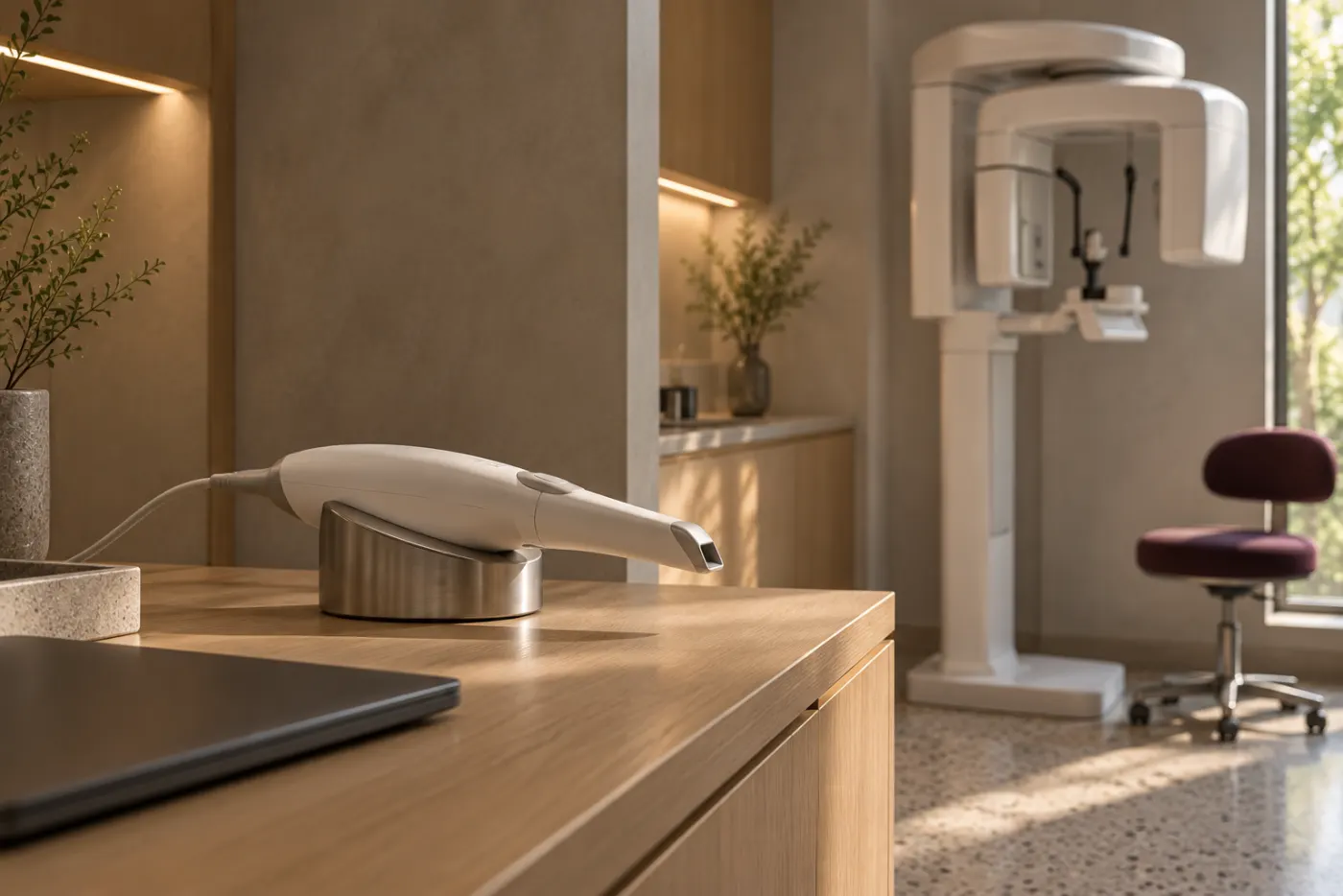
A wand the size of a toothbrush records your teeth in 3D in about two minutes. No trays of impression paste, no gagging. Used for aligners, crowns and night guards.
A cone-beam 3D scan of the jaw, at a fraction of a hospital CT dose. Used before implants and difficult wisdom teeth, read by the surgeon the same day, so there’s no trip to a diagnostic centre.
We scan the prepared tooth, design the crown on screen and mill it from a block of zirconia in the next room. About two hours, one injection, no temporary crown.
Twenty-times magnification finds the extra canals that cause most repeat root canals. It’s why most of ours finish in one sitting.
Come and see it
Weekdays between 2 and 4 pm, when the chairs are quieter. Someone will show you the rooms and the sterilisation wall.
Or book a check-up